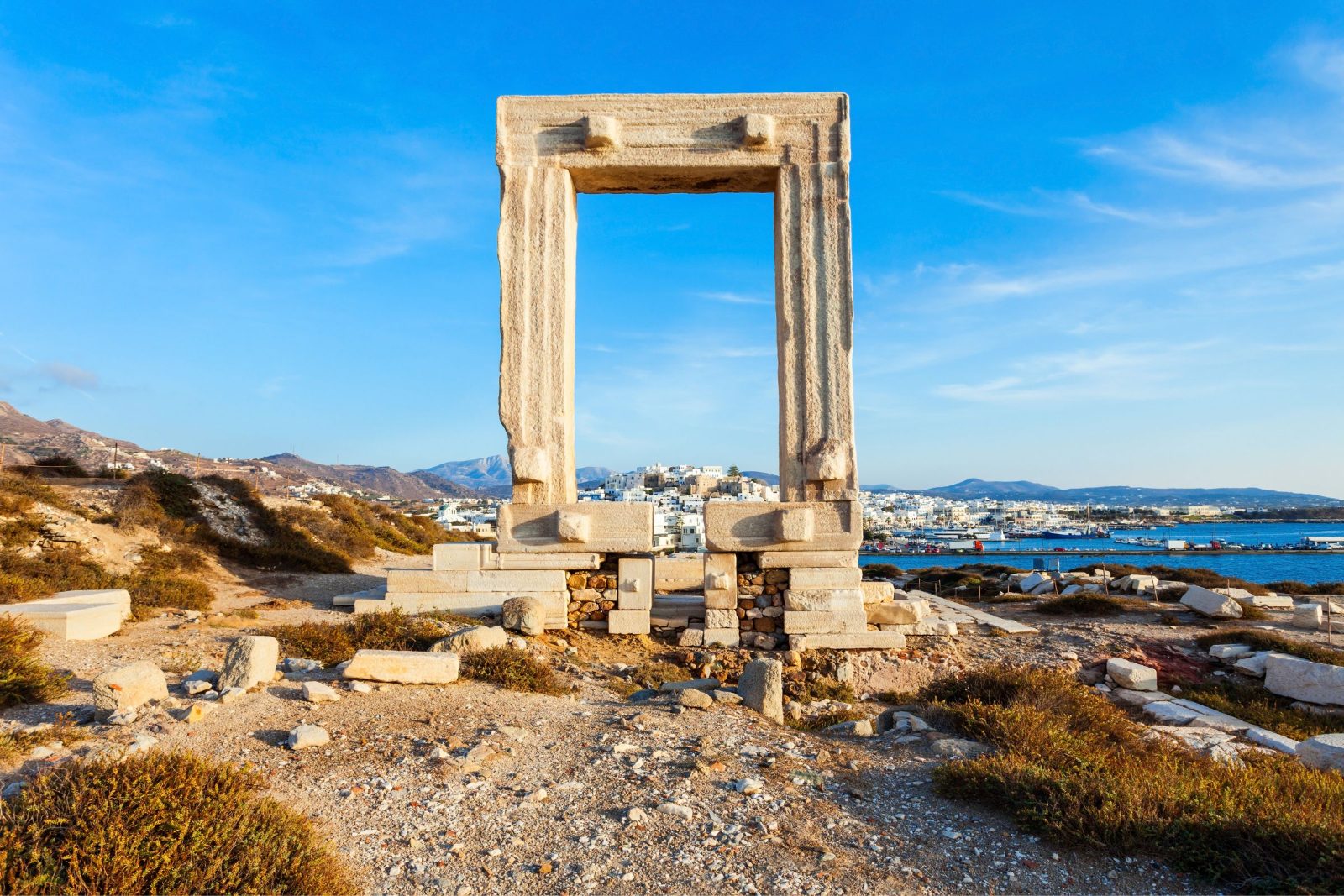
The Portara
This massive marble doorway remains from an unfinished temple dedicated to Apollo and sits on the islet of Palatia.
Visit between 06:00–19:00 for the best lighting conditions.

Naxos sits at the heart of the Cyclades, larger and greener than its famous neighbors. This guide answers whether the island deserves a place in your Greek itinerary, covering what makes it different, who it suits best, and what you'll actually find when you arrive.
Quick answer
Yes, Naxos is worth visiting if you want an authentic Greek island experience without the crowds and price tags of Santorini or Mykonos. The island offers pristine beaches that rival any in the Aegean, mountain villages untouched by mass tourism, significant archaeological sites including a 2,500-year-old marble gateway, and traditional tavernas serving produce grown in the island's fertile valleys. Most visitors allocate three to five days to explore both coast and interior.
Naxos produces more of its own food than any other Cycladic island—a fact that shapes every meal you eat here. The interior valleys grow potatoes, citrus, olives, and vegetables that appear on taverna tables within hours of harvest, while the island's dairies produce PDO cheeses you won't find on neighboring islands. This agricultural self-sufficiency translates into lower prices, better flavor, and a working economy that doesn't hinge entirely on the summer tourist season. The question of whether Naxos merits a visit often comes down to what you're comparing it against. If you're deciding between this island and Santorini, understand that Naxos offers no caldera views, no cliffside infinity pools, and no sunset crowds fighting for the same Instagram frame. What it does offer is 148 kilometers of coastline, much of it accessible and undeveloped, mountain villages where Greek remains the primary language even in August, and the Portara—a marble doorway from an unfinished temple to Apollo that has stood on Palatia Islet since 530 BCE. The site is free to visit year-round, and the best light falls between six in the morning and seven in the evening. The island suits travelers who prefer hiking to nightlife, who want to rent a car and disappear into the interior, and who'd rather eat in a village square than a resort restaurant. Families find the shallow beaches safe for children; couples find the mountain roads and stone villages quietly romantic without the performance of it. Naxos Town itself holds enough interest for two days—the Venetian castle district, the archaeological museum, the working harbor—but the island's character lives in the inland settlements. Apiranthos, Halki, and Filoti sit above the coast, cooler and older, with stone architecture that predates the tourism era by centuries. Whether Naxos is worth visiting depends less on the island's merits—which are substantial—and more on whether those merits align with what you want from Greece. If you're after iconic views and luxury resorts, choose differently. If you want to see how a Greek island functions when it grows its own food, keeps its own traditions, and welcomes visitors without reshaping itself for them, Naxos delivers that experience better than almost any island in the Aegean.
“Naxos produces more of its own food than any other Cycladic island—a fact that shapes every meal you eat here.”
The period from late May to early June and September to mid-October offers the best balance of manageable crowds and temperate weather. These shoulder seasons provide access to the island's full infrastructure while avoiding the intense heat and peak tourist density of July and August.
Warm, 22°C–26°C; ideal for activities. Enjoy mild temperatures and pre-summer tranquility before the peak season begins.
Hot, 28°C–32°C; dry and sunny. Expect the highest concentration of visitors and energetic beach atmosphere.
Warm, 23°C–27°C; sea remains temperate. A popular time for those preferring calmer conditions and warm water.
—
Early arrival between 06:00–19:00 ensures quieter exploration of landmarks and avoids midday congestion.
Verdict: For the most balanced experience, visit during the shoulder months of June or September, favoring weekday mornings for island exploration.
Naxos offers a blend of ancient archaeological sites, historic fortification, and preserved mountain culture. Exploring these landmarks provides context for the island's long-standing agricultural and maritime traditions.
This massive marble doorway remains from an unfinished temple dedicated to Apollo and sits on the islet of Palatia.
Visit between 06:00–19:00 for the best lighting conditions.
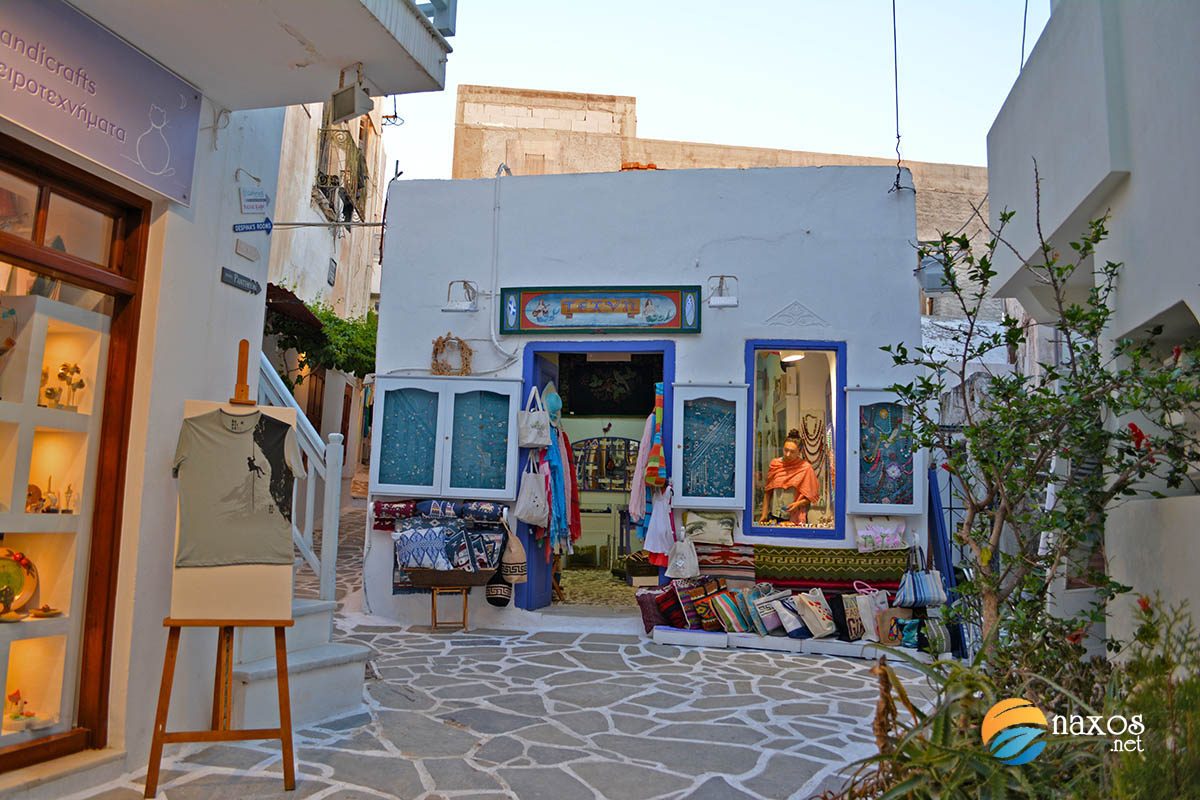
The Kastro district features a labyrinth of Venetian-era stone pathways, fortifications, and narrow alleyways.
Walk the upper levels at dusk to see the city lights.
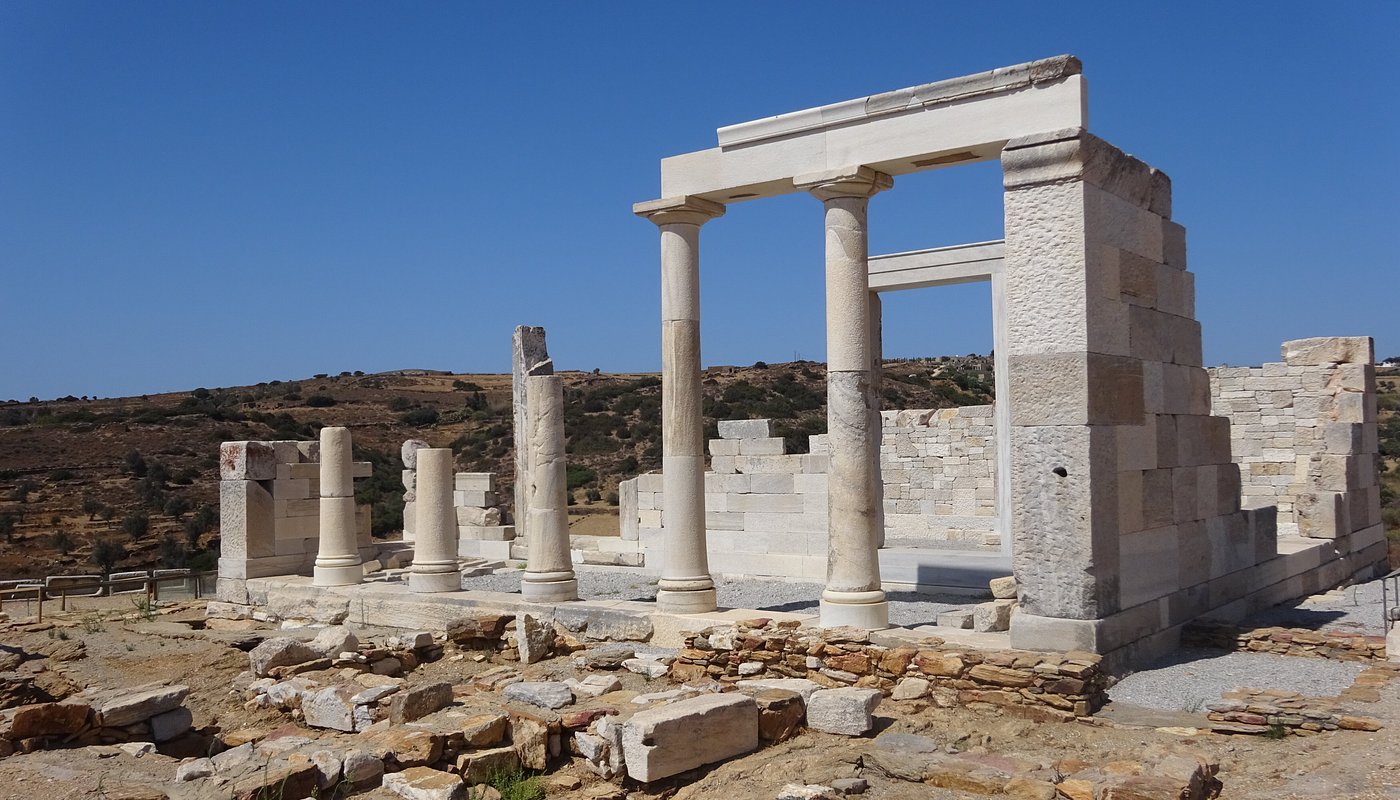
Located near Sangri, this 6th-century BC structure is constructed from white Naxian marble.
Observe the distinct column architecture from the designated viewing platform.
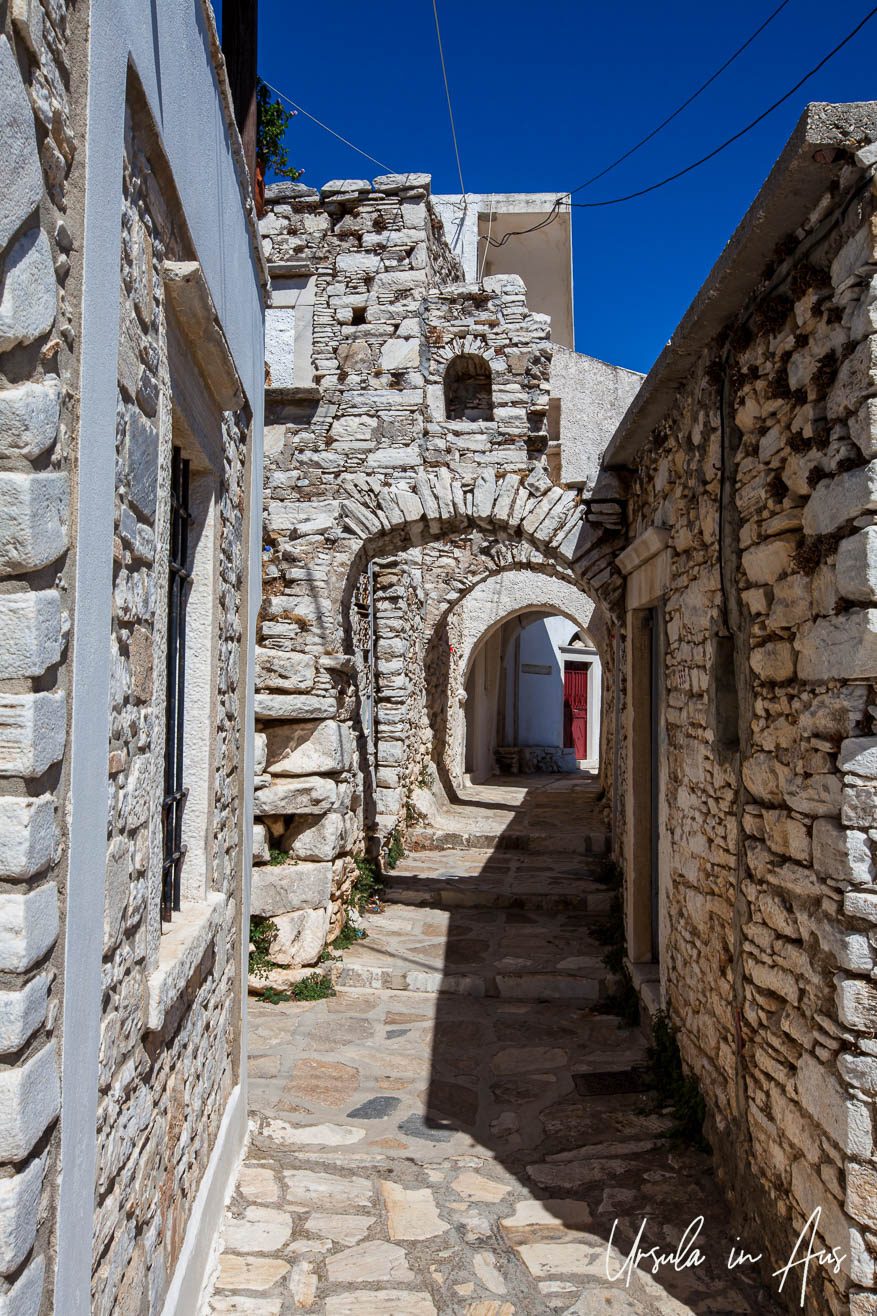
Known for its marble-paved streets and distinct dialect, this mountain village reflects traditional Cycladic architecture.
Explore the quiet upper alleys away from the main square.
Naxos maintains a reputation for high-quality local ingredients, specifically its potatoes, cheeses, and meats, which are staples of the island's agricultural identity. Visitors can find diverse dining options ranging from harborside establishments in Naxos Town to traditional tavernas in the mountainous interior.
restaurant
Located within the winding alleys near the harbor, these spots serve locally sourced meat and cheese. They provide a central dining experience close to the Portara.
restaurant
Situated in the mountainous center of the island, this area is known for traditional recipes and local wine. It offers an alternative to coastal prices.
market
Found in the heart of Naxos Town, this area allows visitors to purchase artisanal Naxian graviera cheese and local potatoes directly from vendors. It is ideal for gathering picnic supplies.
restaurant
Positioned along the coastline, these venues focus on fresh seafood and Greek staples. The area serves as a primary hub for visitors staying near the beach.
Naxos sits in the heart of the Cyclades and is accessible primarily via ferry from Athens or domestic flights. The most common approach involves a sea voyage from Piraeus Port or Rafina Port in Athens.
Ferry from Piraeus Port (Athens)
Ferry from Rafina Port (Athens)
Arrival from Naxos Island National Airport (JNX)
If visiting the Portara at Palatia Islet, arrive between 06:00–19:00 to ensure optimal lighting and to avoid peak midday crowds. The site is accessible 24/7 at no cost.
Naxos serves as a central hub within the Cyclades, making it a logical stop for travelers island-hopping between neighboring destinations. Its proximity to major transit points allows for efficient movement between diverse regional landscapes.
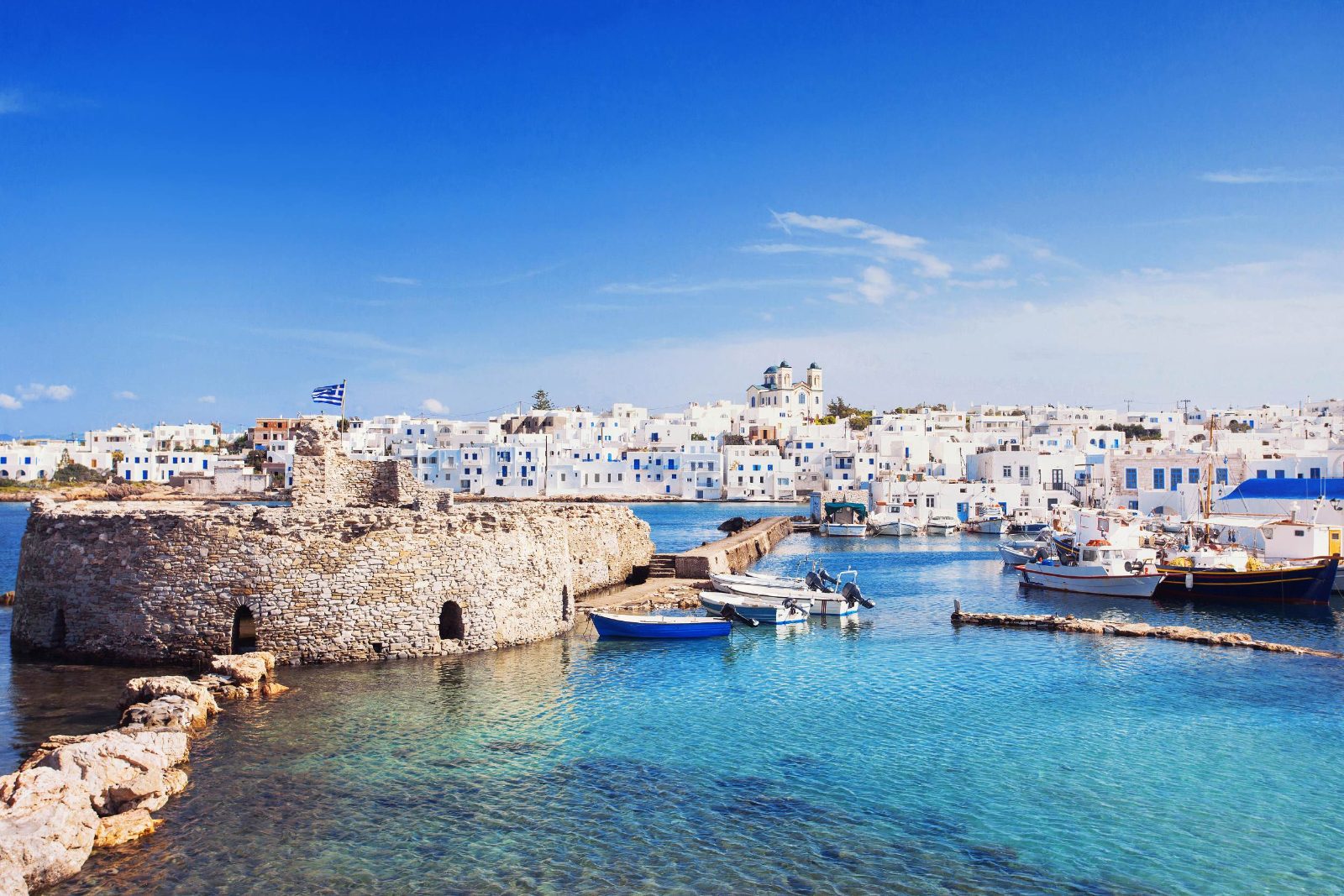
45 min by ferry
Located just a short ferry ride away, Paros offers a similar Cycladic aesthetic with distinct coastal villages that complement the Naxian interior exploration.
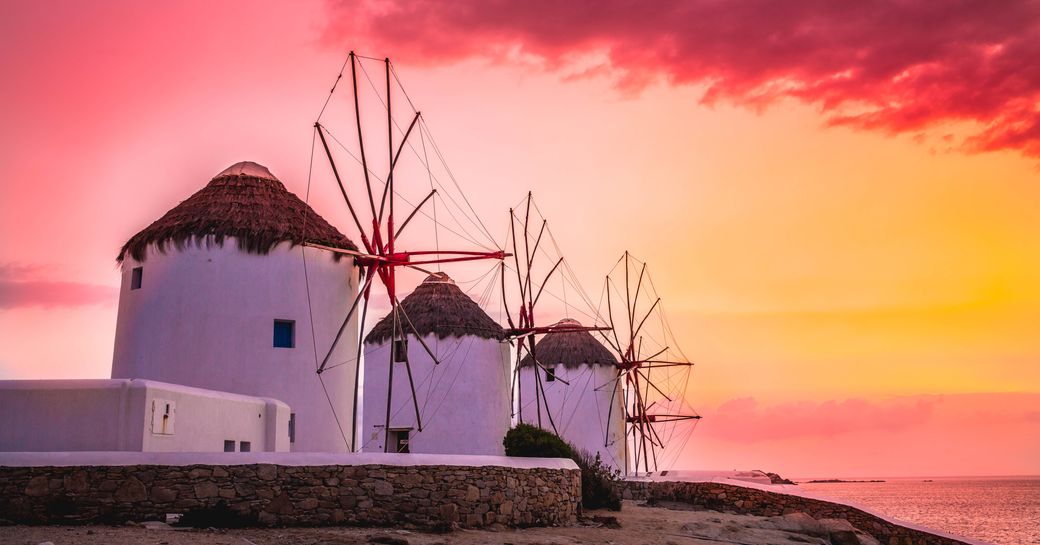
1 hour by ferry
Mykonos is easily accessible for those looking to contrast Naxos's traditional agricultural focus with the more internationally recognized island nightlife.

2 hours by ferry
Santorini provides a dramatic geological contrast to the flat plains of Naxos, often serving as a secondary stop for visitors exploring the Aegean region.
Everything you need to know about is naxos worth visiting
Naxos is worth visiting because it combines expansive sandy beaches, mountain villages, and ancient history. Travelers often find that the island offers a more authentic experience than neighboring destinations. Considering if Naxos is worth visiting reveals a balance of relaxation and cultural exploration. Local culinary traditions are a major draw for those exploring the Cyclades.
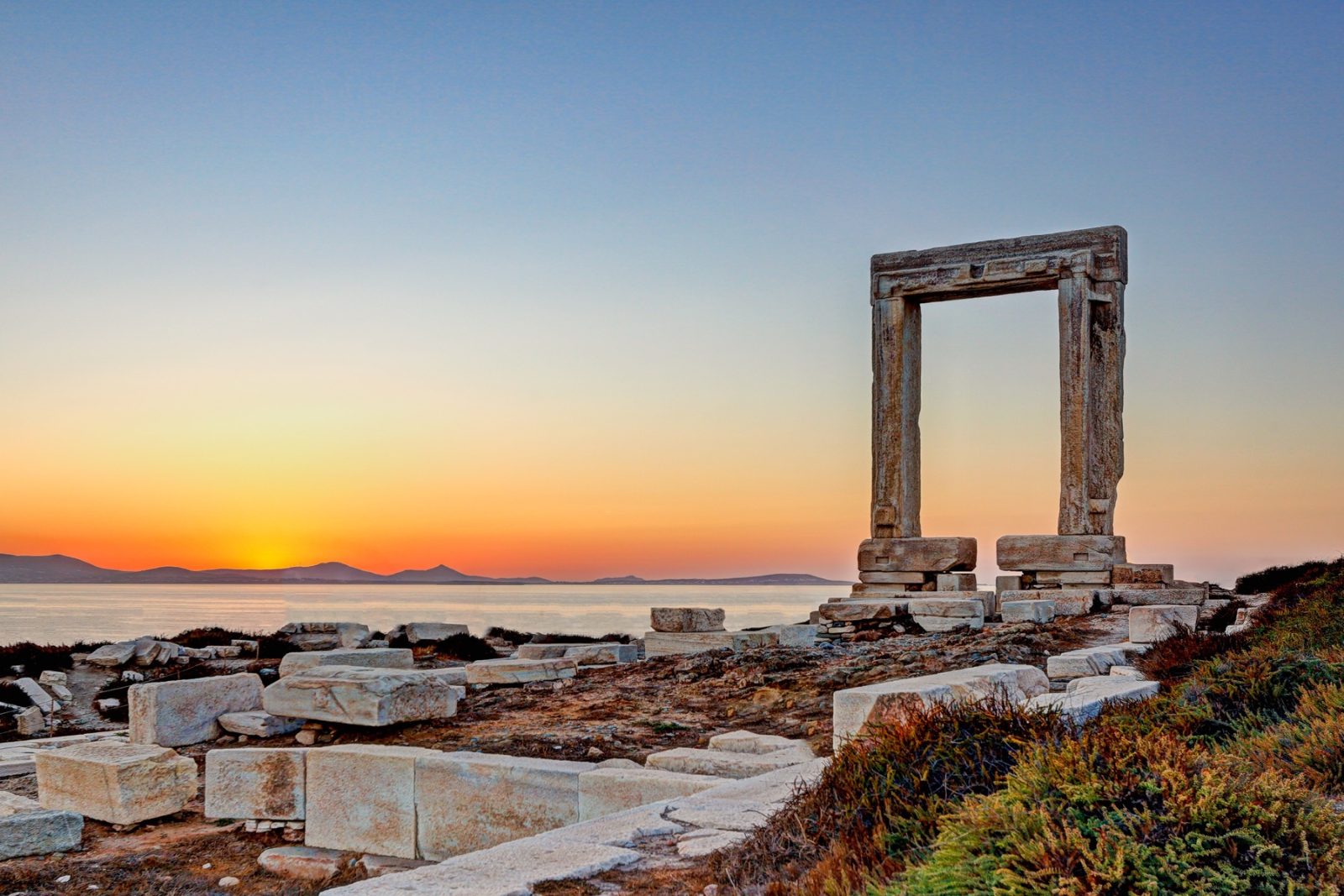
The Portara is the iconic marble gate of an unfinished temple and serves as a major Naxos landmark. It offers a prime vantage point for sunsets over the Aegean Sea. Many visitors conclude that the island is worth visiting specifically for this ancient site. It remains a central piece of the island's archaeological heritage.
The best arrival window to enjoy the island landmarks is 06:00–19:00, which helps avoid peak midday heat and visitor congestion. Early mornings provide a calm atmosphere for exploring the coastal areas. Choosing these hours ensures that Naxos is worth visiting for a peaceful photography session. Planning your daily itinerary around these windows optimizes your travel experience.
There is an entrance fee of 0 EUR for the Portara site, as it is accessible 24/7. This makes it an accessible highlight for any budget-conscious traveler. You can plan your visit without worrying about ticket costs. It is a prime example of why the cultural depth of the island makes it worth visiting.
Naxos is worth visiting for its strong agricultural roots and local cheese production, which form the heart of our curated Naxos food tour. The island is renowned for its fertile land, which supports unique ingredients not found elsewhere. Engaging with the local food scene provides a deeper connection to the island culture. We recommend focusing on traditional tavernas to experience these authentic flavors.
Deciding if Naxos is worth visiting often involves weighing its historical significance against its natural beauty. The island features diverse landmarks ranging from Roman-era structures to Venetian-era architecture. Most visitors find that the mix of history and coastal charm provides enough variety for a week-long stay. We suggest balancing your time between ancient ruins and exploring the interior mountain villages.